Real cost of wedding flowers in Highams Park explained
Posted on 13/10/2026
If you are planning a wedding in Highams Park, flowers can feel like one of those costs that starts small and then quietly grows legs. A bouquet here, buttonholes there, a few table pieces, maybe a ceremony arrangement, and suddenly the numbers look very different from the first idea you had. This guide gives you the real cost of wedding flowers in Highams Park explained in plain English, so you can budget properly, avoid the common traps, and choose arrangements that suit both your venue and your wallet.
Truth be told, most couples do not need every possible floral extra. What they need is clarity. What affects price? What is worth paying for? Where can you scale back without the whole look falling apart? Let's walk through it properly, with the local picture in mind and the kind of practical detail that helps you make calm decisions instead of last-minute ones.
- Why the real cost matters
- How wedding flower pricing works
- Key benefits of budgeting well
- Who this guide is for
- Step-by-step planning guidance
- Expert tips for better results
- Common mistakes to avoid
- Tools, resources and recommendations
- Law, compliance, standards and best practice
- Options, methods and comparison
- Case study or real-world example
- Practical checklist
- Frequently asked questions
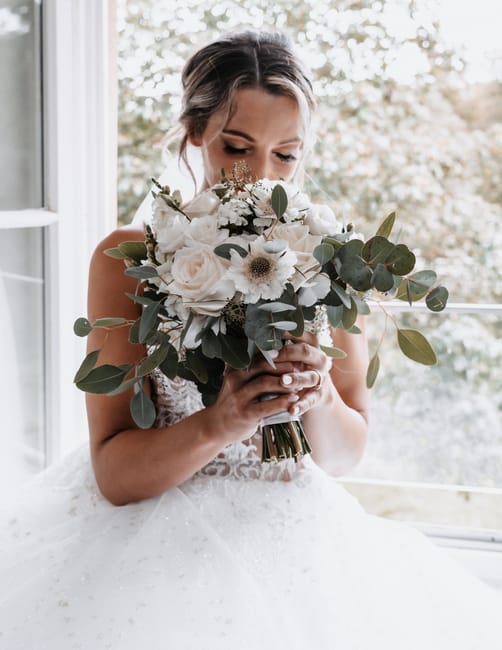
Why Real cost of wedding flowers in Highams Park explained Matters
Flowers are not just decoration. They shape the mood of the day, tie together the dress, suits, venue, and colour palette, and often appear in the photos you will keep forever. That is why understanding the real cost of wedding flowers in Highams Park explained matters so much. If you only look at a headline price for a bouquet, you can end up underestimating the total spend by quite a bit.
Highams Park couples often balance local venue style, seasonal availability, and London delivery expectations. Some weddings want a simple, fresh, intimate feel. Others want a fuller, more dramatic finish. Both are valid, but they do not cost the same. A small hand-tied bouquet and a full floral ceremony arch are miles apart in time, flower count, and labour. Not exactly a shock, but it catches people out.
There is also the issue of timing. Wedding flowers are perishable, and that affects how they are sourced, conditioned, transported, and arranged. If your date lands near a busy period such as spring weekends, bank holidays, or Valentine's season, pricing and availability can shift. That does not automatically mean "expensive". It simply means planning matters more than usual.
Expert summary: the real price is not only about stems. It is about design time, seasonal supply, event scale, delivery logistics, and the level of finish you want on the day. Once you understand those moving parts, budgeting becomes far less stressful.
How Real cost of wedding flowers in Highams Park explained Works
Wedding flower pricing is usually built from a few core ingredients: the flowers themselves, the size and complexity of the designs, the number of pieces required, and the service wrapped around them. That service can include consultation, sourcing, conditioning, labour, delivery, setup, and sometimes collection or breakdown. In other words, you are paying for a whole process, not just pretty stems in a vase.
A bridal bouquet usually costs more than a standard hand-tied bouquet because it needs tighter design control, stronger mechanics, and a finish that stands up to being carried for hours. Buttonholes are smaller, but they are still made individually. Table arrangements can be straightforward or surprisingly involved, depending on whether you want low designs, compotes, bud vases, garlands, or something more bespoke. Venue styling adds another layer again.
Seasonality has a big effect. Peonies in peak season are a very different proposition from peonies out of season. Roses, carnations, chrysanthemums, lilies, and alstroemeria tend to give more predictable value. If you want a luxury feel without losing control of budget, the trick is usually to mix premium focal flowers with reliable secondary blooms and greenery. That balance is often what makes arrangements feel full rather than sparse.
Local logistics matter too. If your ceremony and reception are in different places, delivery and timing become part of the cost. A florist may need extra planning to handle narrow windows, parking, venue access, or multiple drop-offs. In a busy London area, those practical details are never just background noise. They shape the invoice.
Typical cost drivers to watch
- Flower type and seasonal availability
- Number of bouquets, buttonholes, and table pieces
- Complexity of design and level of detail
- Delivery distance and setup time
- Venue styling requirements
- Special requests such as cascading bouquets, garlands, or custom colour matching
- Last-minute changes, which can be awkward and costly, honestly
Key Benefits and Practical Advantages
Getting the budget right does more than protect your bank balance. It also gives you confidence. You will know what is realistic, what is optional, and what should be prioritised. That calm feeling is worth quite a lot on a wedding morning when everything else is happening at once and someone is asking where the rings are.
One obvious benefit is avoiding overspend. But there is a less obvious one too: a clear budget helps your florist design more intelligently. If you can say, "We have this amount, and these are our priorities," a good florist can suggest better flower choices, smarter substitutes, or a simpler structure that still looks beautiful in photos.
Another advantage is consistency. Couples sometimes start with Pinterest-style inspiration that looks lush but is actually packed with expensive stems and heavy labour. A realistic budget lets you translate inspiration into something that works in real life. That usually means fewer surprises and fewer late-stage compromises.
It also helps with decision-making. Do you need floral centrepieces on every guest table, or would a mix of candles, bud vases, and one or two statement arrangements give the same effect? Would a luxurious bridal bouquet matter more to you than chair dressing? Once you know the numbers, those choices are easier.
Practical advantages at a glance
- Less stress during planning
- Better use of the budget you already have
- More realistic design choices
- Stronger communication with your florist
- Fewer awkward surprises close to the date
Who This Is For and When It Makes Sense
This guide is for couples who want to understand wedding flower costs properly before booking. It is especially useful if you are:
- planning a wedding in Highams Park or nearby East London areas
- trying to compare florist quotes and not quite sure what is "normal"
- working with a fixed budget and need to prioritise carefully
- considering DIY flowers but want to compare the real effort and risk
- booking a venue and need to know what floral styling may add to the total spend
It also makes sense if you are helping someone else plan, perhaps a parent, sibling, or maid of honour who has suddenly become the unofficial budget keeper. Happens all the time. The flower quote arrives, everyone goes quiet, and then the spreadsheet comes out.
If your wedding is very small, you may only need a bridal bouquet, a few buttonholes, and one or two arrangements. If it is larger or more traditional, you may need ceremony flowers, aisle pieces, reception centrepieces, and perhaps top-table styling. Different weddings, different priorities. Simple as that.
This is also relevant if you are comparing florists and want to see where genuine value sits. A lower headline price is not automatically better. Sometimes it leaves out delivery, setup, or the design detail that makes the flowers hold together visually. On the other hand, a higher quote should come with a clear explanation. If it does not, ask for one. You are allowed to ask. In fact, you should.
Step-by-Step Guidance
The easiest way to control wedding flower spend is to work in stages. Do not start with "How much do flowers cost?" Start with "What do we actually need, and what matters most?" That shift alone can save time and money.
Step 1: List the essentials
Write down the non-negotiables first. Most couples begin with the bridal bouquet, bridesmaid bouquets, buttonholes, and reception table flowers. From there, decide whether you want ceremony arrangements, a floral arch, pew ends, corsages, or venue styling. If it is not on the list, it is not yet a cost.
Step 2: Set a realistic budget range
It is better to think in ranges than fixed numbers at the start. A wedding floral budget has to flex around flower choice, date, scale, and design style. Give yourself a comfortable upper limit and a sensible target below that. That way, you have breathing room if the quote includes delivery or extra labour.
Step 3: Choose your priority flowers
Decide where you want the money to be visible. For some couples, that is the bridal bouquet. For others, it is the ceremony focal point because that is where most guests will look first. A good florist can usually stretch the impact of the budget where it matters most.
Step 4: Ask for a clear breakdown
Ask what is included: flowers, design time, delivery, setup, hire items, VAT if relevant, and collection. This is the bit that stops quotes from feeling slippery. If a florist gives you a neat total without explaining what sits inside it, ask for detail. No drama, just clarity.
Step 5: Check seasonal substitutions
If specific flowers are expensive or out of season, ask what the florist would substitute. Good substitutions should preserve the look and feel, not just fill space. For example, you may swap a premium bloom for a more affordable flower with similar shape or tone, keeping the design elegant without overshooting budget.
Step 6: Finalise logistics early
Delivery times, venue access, and who will receive the flowers on arrival all matter. The smoother the logistics, the less likely there will be rushed changes on the day. And rushed changes are where costs like to sneak in.
Step 7: Review before paying
Before you confirm, review the proposal carefully. Does it match the guest count, table plan, colour palette, and ceremony setup? Does it reflect what you actually need, not what looked lovely in a mood board at 11pm? That little pause can save a lot of grief.
Expert Tips for Better Results
Here is where experience really helps. Not every flower arrangement needs to be packed with premium blooms to look expensive. Often the strongest designs use contrast, texture, and proportion rather than sheer quantity. A few thoughtful choices can do more than an overfilled arrangement that looks busy and slightly confused.
Use flowers where they will be photographed most. The bridal bouquet, ceremony focal area, and top table often give the best visual return. If the budget is tight, keep guest table flowers elegant but simpler. Nobody will remember how many stems were in every vase, but they will remember how the room felt.
Choose flowers with good vase life. In a wedding setting, freshness matters, but so does stamina. Your flowers need to look good through prep, transport, ceremony, reception, and photos. A florist who understands conditioning and timing will help here. It is a bit of behind-the-scenes work, but it shows.
Mix premium and value stems. That is a very normal florist trick, and a sensible one. Pairing roses with seasonal fillers, greenery, carnations, lisianthus, chrysanthemums, alstroemeria, or similar supporting flowers can create a fuller look without inflating the budget too much.
Keep the colour palette focused. Fewer colours usually mean better control over sourcing and a more cohesive finish. Two or three tones often work better than six. Not always, but often enough.
Plan around the venue. A small intimate room and a large airy hall call for different scales. Flowers can disappear in a big space if they are too modest, or feel overwhelming in a compact one. You want the room to breathe.
Be honest about the budget. A good florist would much rather work with a clear number than guess. There is no prize for pretending you can spend more than you can. In real life, honesty tends to look better on the invoice.
Common Mistakes to Avoid
Some wedding flower mistakes are easy to make because they sound reasonable at the time. The trouble shows up later, usually when the quote arrives or the flowers look different from what you imagined.
1. Starting with the bouquet instead of the full picture
A gorgeous bridal bouquet is lovely, but it is only one part of the total floral budget. If you begin there and ignore everything else, the final spend can creep up quickly. Always map the whole day first.
2. Forgetting delivery and setup
It sounds obvious, but a surprising number of couples focus on the flowers and forget the work around them. Delivery, installation, and collection may not be the headline item, but they still cost money.
3. Choosing flowers that are hard to source
Out-of-season or highly specific flowers can look stunning in theory. In practice, they may be pricier, harder to source, or more variable in quality. If a flower is central to your vision, ask early whether it is realistic for your date.
4. Overloading the design brief
Too many references can blur the design. One image says romantic garden style, another says modern sculptural, and the third is full of tropical drama. It gets messy fast. Better to define the overall mood and a few non-negotiables.
5. Leaving decisions too late
Late bookings reduce options. That can affect pricing, flower choice, and even the style of arrangements available. If your date is close, you may still get beautiful results, but the room for fine-tuning is smaller.
6. Not asking what is reusable
Some ceremony flowers can be moved to the reception after the vows. If your florist can design with that in mind, you may get more visual value from the same spend. It is one of those simple ideas that makes a big difference.
Tools, Resources and Recommendations
You do not need a complicated system to plan wedding flowers well. A few simple tools will do the job neatly.
- A guest and table list: helps you estimate how many bouquets, buttonholes, and centrepieces you actually need.
- A mood board: useful for showing style, colour, and texture preferences, even if it is just a private folder of saved images.
- A budget tracker: keeps flowers separate from catering, venue hire, and attire so you can see where the money really goes.
- Photos of the venue: very helpful for judging scale, natural light, and where arrangements will sit.
- A simple priorities list: top three things you care about most, such as bouquet quality, ceremony impact, or reception styling.
If you are comparing styles, it can help to browse arrangements in a focused way rather than endlessly scrolling. For example, wedding bridal bouquets, bridesmaid bouquets, buttonholes, and table arrangements give a clearer picture of what different parts of the day may cost to style. If you want to see the broader style range, the main weddings collection is a useful starting point.
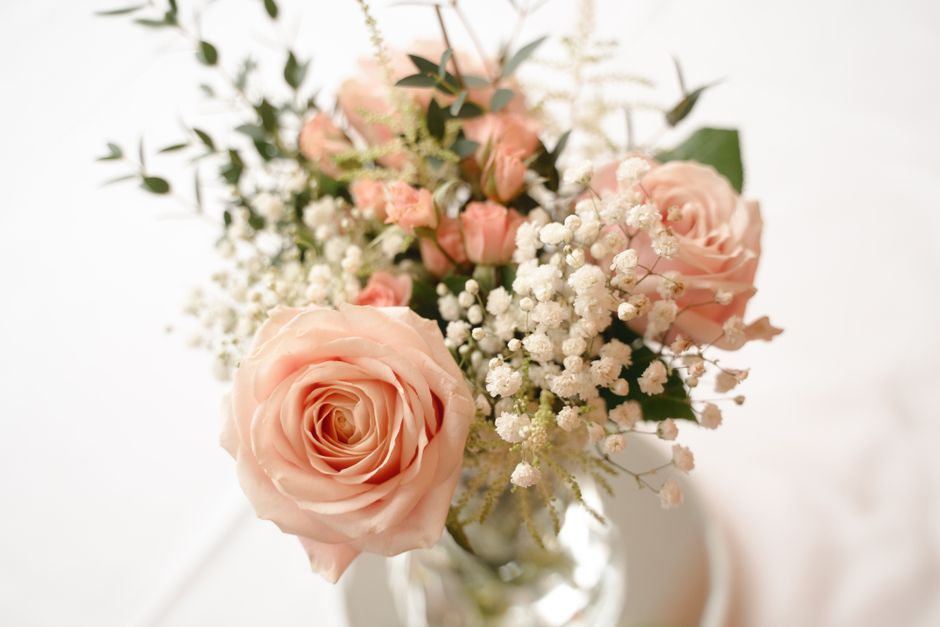
For colour ideas, it also helps to notice how different tones change the feel of a room. White and green reads crisp and classic. Pink softens everything. Richer reds can feel more formal or romantic. A mixed palette brings energy, but it needs a careful eye to avoid looking busy. That is the sort of thing you only really notice once flowers are physically in front of you, with that fresh, green scent in the air.
Law, Compliance, Standards, or Best Practice
For wedding flowers, the main considerations are less about formal legal compliance and more about consumer clarity, product handling, and service best practice. In the UK, a reputable florist should be clear about what is included in the price, when payment is due, how changes are handled, and what happens if something is unavailable or needs substituting.
Best practice usually means:
- clear written quotes or order summaries
- transparent delivery and setup details
- reasonable substitution policies when seasonal flowers are unavailable
- careful handling of fresh flowers to maintain quality
- timely communication if the order needs adjustment
If flowers are being delivered to a venue, it is also sensible to confirm access times and any site rules with the venue itself. Some locations have restricted delivery windows, parking limits, or setup instructions. That is not glamorous planning, but it is the kind that prevents a stressful scramble on the day.
From a buyer's perspective, the simplest best practice is this: make sure every important detail is written down. What flowers, what quantities, what colour direction, what date, what location, what time, and what total price. If all of that is clear, you are in a much stronger position.
Options, Methods, or Comparison Table
Different floral approaches suit different budgets and styles. Here is a simple comparison to help you think through the main options.
| Option | Typical feel | Budget impact | Best for | Watch out for |
|---|---|---|---|---|
| Simple bridal bouquet with small extras | Elegant, minimal, personal | Lower to moderate | Small weddings, registry-style ceremonies, tight budgets | Can feel too plain if the venue is large |
| Full bouquet, buttonholes, and reception flowers | Balanced and polished | Moderate | Most traditional weddings | Needs careful planning so the total does not creep up |
| Ceremony statement pieces plus reusable reception flowers | Impactful and efficient | Moderate to higher | Couples wanting strong visual presence | Requires coordination and setup logic |
| Luxury bespoke styling | Highly designed, dramatic, photo-led | Higher | Large venues or design-focused weddings | Can become expensive fast if the brief is too broad |
| DIY or mixed DIY with florist support | Personal and budget-conscious | Potentially lower, but variable | Hands-on couples with time and helpers | Labour, timing, and freshness risks are easy to underestimate |
The right option is not the fanciest one. It is the one that fits your time, your venue, your priorities, and your stress levels. A beautiful wedding does not have to be floral overload. In fact, some of the most elegant weddings are quietly restrained.
Case Study or Real-World Example
Imagine a couple planning a late-spring wedding in Highams Park. They want a soft, romantic look and initially ask for a bouquet, six buttonholes, bridesmaid bouquets, ceremony flowers, and centrepieces for every table. On paper, it sounds lovely. Then the quote lands and the total is higher than expected.
Instead of cutting everything, they sit down and decide what actually matters most. They keep the bridal bouquet as the hero piece, retain buttonholes for close family, and choose two larger ceremony arrangements that can move to the reception afterwards. For the tables, they switch from large arrangements to smaller grouped designs with greenery and candles. The room still feels finished, the photos look polished, and the budget remains under control.
That kind of adjustment is common. It is not about "settling". It is about directing the money to where guests will notice it most. And to be fair, many guests remember atmosphere more than flower count anyway.
In another scenario, a couple chooses out-of-season blooms for the bouquet because they saw them in a winter magazine shoot. The florist explains that the flowers are possible, but the cost and availability may be unpredictable. They swap to similar-toned seasonal flowers and get a beautiful result with less risk. The lesson? Flexibility can save both money and nerves.
Practical Checklist
Use this checklist before you confirm your wedding flower order:
- List all floral items needed for ceremony and reception
- Set a realistic budget range, not just one number
- Decide which flowers are most important to you
- Confirm your venue layout and delivery access
- Ask what is included in the quote
- Check whether VAT, delivery, setup, and collection are included
- Ask about seasonal substitutions
- Confirm colour palette and style direction
- Review how reusable arrangements will be handled
- Get everything in writing before paying
- Ask about timing on the wedding day
- Leave a little contingency for changes, because weddings like to improvise
Quick takeaway: if the florist can explain the total clearly, show you what drives the price, and suggest practical substitutes without losing the style, you are probably in good hands.
Get a free quote today and see how much you can save.
Conclusion
The real cost of wedding flowers in Highams Park explained properly is never just a single number. It is the result of design choices, seasonal supply, delivery logistics, and how much of the day you want flowers to carry visually. Once you understand that, the whole process becomes less intimidating.
If you keep your priorities clear, ask for a detailed quote, and stay open to thoughtful substitutions, you can create something genuinely beautiful without losing control of the budget. That is the sweet spot. Not overdone, not underwhelming, just right for the day you have planned.
And honestly, that is what most couples want in the end: flowers that feel like them, look lovely in the photos, and let the day breathe a little. Simple enough to manage. Special enough to remember.
Frequently Asked Questions
How much do wedding flowers usually cost in Highams Park?
The cost depends on what you need, how many pieces you want, the flowers chosen, and whether delivery and setup are included. A simple bouquet-led package will cost far less than full ceremony and reception styling. The best approach is to ask for a tailored quote based on your actual plan.
What affects the price of wedding flowers the most?
Flower choice, seasonality, design complexity, quantity, and labour are the biggest factors. Delivery timing and venue setup can also affect the final figure, especially if the day involves multiple locations or a tight turnaround.
Are seasonal flowers cheaper for weddings?
Usually, yes. Seasonal flowers are often easier to source and work with, which can make them better value. They also tend to look fresh and natural for the time of year, which is a nice bonus rather than a compromise.
Is it cheaper to do wedding flowers myself?
It can be, but only if you have time, transport, storage, and reliable helpers. DIY flowers sound budget-friendly at first, yet the hidden effort is real. You also take on the risk of wilting, last-minute issues, and a fair bit of stress.
What flowers give the best value for weddings?
Flowers such as roses, carnations, chrysanthemums, alstroemeria, and greenery often offer good value because they can create volume and shape without requiring only premium stems. A florist can help you combine value flowers with a few standout blooms for a fuller effect.
How far in advance should I book wedding flowers?
As early as possible, especially if your date is in a busy season. Early booking gives you more choice, more time to refine the brief, and a better chance of securing the style you want. Leaving it late can narrow the options quite a bit.
Do I need flowers for both the ceremony and reception?
Not necessarily. Some couples keep the ceremony simple and focus on reception tables, while others do the opposite. Many choose arrangements that can move from one part of the day to another, which can be a very sensible use of budget.
Can I ask for cheaper alternatives if my quote is too high?
Absolutely. A good florist should be able to suggest seasonal swaps, fewer statement pieces, simpler mechanics, or a different mix of flowers. That conversation is normal, not awkward.
Why do wedding flower quotes vary so much?
Quotes vary because florists may include different levels of service, different flower grades, different design complexity, and different delivery or setup arrangements. Two quotes can look similar at first but be structured very differently underneath.
Should I prioritise the bouquet or the venue flowers?
It depends on what matters most to you. If you care most about personal photos, the bouquet may deserve the biggest share. If the ceremony and reception space are the main visual focus, venue flowers may be the better investment. There is no universal rule.
How can I keep wedding flower costs under control without making the day look sparse?
Focus on high-impact areas, use a focused colour palette, mix premium and value stems, and choose arrangements that can be reused during the day. Small, thoughtful changes often do more than cutting everything in half.
What should be included in a wedding flower quote?
At minimum, the quote should state the flower types or style direction, quantities, delivery details, setup if needed, and any hire items or extras. It should be clear enough that you know exactly what you are paying for. If it is vague, ask for clarification before you confirm.