Explore 7 intriguing tulip facts you might have missed
Posted on 17/08/2025
Explore 7 Intriguing Tulip Facts You Might Have Missed
Tulips are more than just vibrant springtime blooms; they represent centuries of history, culture, and botanical wonder. These beautiful flowers are celebrated worldwide, often symbolizing perfect love and renewal. But beyond their aesthetic allure, there's a treasure trove of lesser-known tulip facts that shed light on their extraordinary journey from wildflowers to one of the world's most cherished garden staples.
In this extensive guide, we will explore 7 intriguing tulip facts you might have missed. Each fact will not only enhance your appreciation for these floral wonders but also deepen your understanding of their cultural, economic, and scientific significance. Join us as we dig up some surprising stories, botanical marvels, and stunning statistics--all about tulips!
1. The Unexpected Origins: Tulips Did Not Originate in the Netherlands
Ask anyone about tulips and you're likely to hear about vibrant fields in the Netherlands. While the country is now synonymous with these flowers, the true story of the tulip's origins begins in Central Asia.
Tulips in the Wild
- Cultivation Began in the Tien Shan Mountains: Tulips are native to a vast region stretching from Southern Europe to Central Asia, particularly the arid mountain slopes of the Tien Shan and Pamir-Alai ranges.
- Wild tulip species still flourish in countries like Kazakhstan, Uzbekistan, Iran, and Afghanistan. These original flowers showcased a remarkable palette of colors and shapes.
The Journey to Europe
- Ottoman Empire's Passion: Tulips became deeply ingrained in Ottoman culture by the 16th century, symbolizing prosperity and indulgence. The period even came to be known as the "Tulip Era."
- The Netherlands Adopts Tulips: A Flemish botanist named Carolus Clusius introduced tulip bulbs to Dutch soil in the late 16th century. The rest, as they say, is history!
Tulip cultivation spread like wildfire in the cool Dutch climate, turning the Netherlands into an epicenter for tulip breeding and exportation. But now you know: Holland imported its most iconic flower from much farther east.

2. Tulip Mania: The World's First Economic Bubble
Few realize that tulips once turned the global economy upside down in what became known as Tulip Mania, sometimes called the world's first speculative bubble.
The Frenzy That Gripped the Netherlands
- Early 17th-Century Craze: As tulips grew in popularity, demand for rare tulip bulbs soared. By the 1630s, unique hybrids like the "Semper Augustus" became status symbols among the Dutch elite.
- Astonishing Prices: At its peak, a single tulip bulb could sell for more than the price of a canal house in Amsterdam!
- The Collapse: The bubble burst spectacularly in 1637, leaving many speculators in financial ruin. Though sometimes exaggerated, the tale of Tulip Mania remains a cautionary tale about market speculation.
If you ever wondered how a simple flower could affect international trade and personal fortunes, tulip history is your answer!
3. There Are Over 3,000 Varieties of Tulips
One of the most astonishing tulip facts is just how diverse these flowers are. Thanks to centuries of careful breeding, there are now more than 3,000 registered varieties of tulips recognized by the Royal General Bulbgrowers' Association.
Main Tulip Groups and Species
- Single Early Tulips: Among the first to bloom in spring, characterized by sturdy stems and vibrant colors.
- Double Tulips: Sometimes called "peony-flowered," their petals are lush and layered.
- Parrot Tulips: Known for their feathered, ruffled petals and striking multicolored patterns.
- Fringed Tulips: Their frilly petal edges set them apart from other sorts.
- Viridiflora Tulips: Distinguished by green streaks on their petals.
Each category boasts dozens of cultivars, offering gardeners a rainbow of possibilities--from classic reds and yellows to mesmerizing bi-colors and rare black tulips.
4. The Deep Symbolism of Tulips Around the World
Flowers often carry meaning, but tulip symbolism is particularly rich and varied across cultures.
What Tulips Represent
- Perfect Love: In Persia and Turkey, the tulip is an enduring symbol of love--owing partly to the flower's heart-shaped leaves and the word "tulip" being similar to the Persian word for "turban."
- Abundance and Prosperity: Ottoman sultans associated tulips with wealth and royal privilege, decorating their palaces with tulip motifs.
- Charity and Renewal: In Christian traditions, red tulips often symbolize the blood of Christ and rebirth.
- Declaration of Love: In Victorian England, giving a red tulip was tantamount to a marriage proposal!
Color Meanings
- Red Tulips: Passionate love
- Yellow Tulips: Cheerfulness and hope
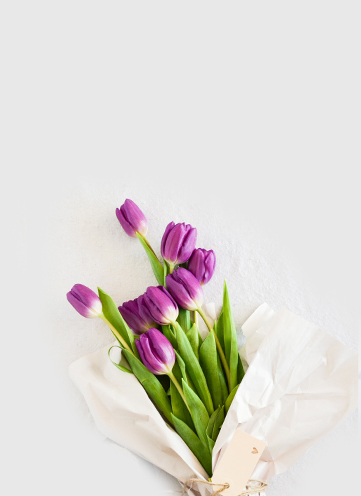
- Purple Tulips: Royalty and admiration
- White Tulips: Purity and forgiveness
- Black Tulips: Elegance and mystery
Next time you gift or receive a tulip bouquet, remember its message might be more profound than you think!
5. Tulips Can Be Eaten (But Exercise Caution)
This tulip fact is sure to surprise: tulip petals and bulbs are technically edible--but not all parts and not all species. During World War II, when food was scarce in the Netherlands, people resorted to eating boiled tulip bulbs to stave off starvation.
Tulips In Cuisine & History
- Tulip Petals: Some chefs use untreated tulip petals as garnish or in salads for a subtle, sweet flavor and striking appearance.
- Tulip Bulbs: Only safe when prepared correctly and from non-treated, non-poisonous species. The WWII experience is not one to replicate unless necessary--some tulip bulbs contain toxins that can cause stomach upset or worse if improperly handled.
Important Notice: Never consume tulip bulbs or petals from flower shops or garden centers, as they may be treated with chemicals not safe for human consumption. Always consult food safety guidelines or horticultural experts before experimenting with edible flowers!
6. Tulips Are Among the World's Most Traveled Flowers
Tulips are true global nomads. Few other flowers have journeyed across such vast distances, adapted to so many climates, or inspired such a range of artistic expressions.
Global Tulip Cultivation
- The Netherlands remains the world's top tulip exporter, producing a staggering 4.2 billion bulbs each year. Most go to Germany, the United States, France, and the United Kingdom.
- New Colonies: Tulips now flourish on every inhabited continent, from Canadian prairies to South African gardens, and even as far afield as Tasmania and Chile.
- Festivals: The spring tulip bloom is marked by spectacular festivals worldwide, including the Keukenhof Gardens in the Netherlands, Canada's Tulip Festival in Ottawa, and Skagit Valley Tulip Festival in Washington, USA.
This widespread love for tulips is a testament to their adaptability, beauty, and enduring appeal across cultures and generations.
7. Tulips Can Change Color
Among all tulip facts, perhaps the most magical is that some tulips can change color under certain conditions. This fascinating phenomenon is primarily the result of environmental influences or viral infections.
How and Why Tulips Change Color
- Environmental Factors: Soil pH, temperature stress, and sunlight exposure can subtly alter a tulip's hue from year to year.
- Tulip Breaking Virus: The famous streaked or "broken" colors of some historic tulips result from a particular virus, which disrupts pigment production. While these "broken tulips" were prized during Tulip Mania, the virus can weaken the plant.
- Age-Related Changes: As tulips mature, some older varieties may brighten or fade in color intensity, sometimes blooming with slightly different shades each season.
Tulip color changes remind us that gardens are living works of art, always subject to the laws of nature and touch of time.
Conclusion: The Enduring Mystery and Beauty of Tulips
Tulips have captured human fascination for centuries--from the wild slopes of Central Asia to the wind-swept fields of the Netherlands and beyond. Learning these 7 intriguing facts about tulips reveals a tapestry of intertwined history, economics, horticulture, and culture that makes these flowers truly unique.
- They are native to Central Asia yet transformed Dutch landscapes.
- They ignited the world's first economic bubble during Tulip Mania.
- Their diversity is staggering--with more than 3,000 registered varieties.
- Tulips symbolize love, charity, and abundance worldwide.
- They have been eaten in times of desperation, though with necessary caution.
- Their beauty has circled the globe, spawning festivals and admirers in nearly every country.
- Some tulips even possess the magical ability to change colors.
If you're a garden enthusiast, history buff, foodie, or simply love flowers, exploring the world of tulips is both a delight and a revelation. So next time you see a tulip bloom, remember you're witnessing a flower with a story as rich and vibrant as its petals. Let these fascinating tulip facts inspire your passion for gardening and appreciation for nature's wonders.
Discover more about tulips, plant a few in your garden, and watch the magic unfold every spring!
Latest Posts
Simple Techniques to Enhance the Longevity of Cut Flowers
Explore 7 intriguing tulip facts you might have missed
Decode What Your Birth Flower Says About Your Persona